
Understand the starting point.
Organize fuel and energy consumption within the scope. Identify missing data and references applicable to the period.
Turn fuel and energy records into a view of your operation's emissions. A starting point to plan reductions and track progress with clear criteria.
For carriers, rental companies and businesses with vehicles.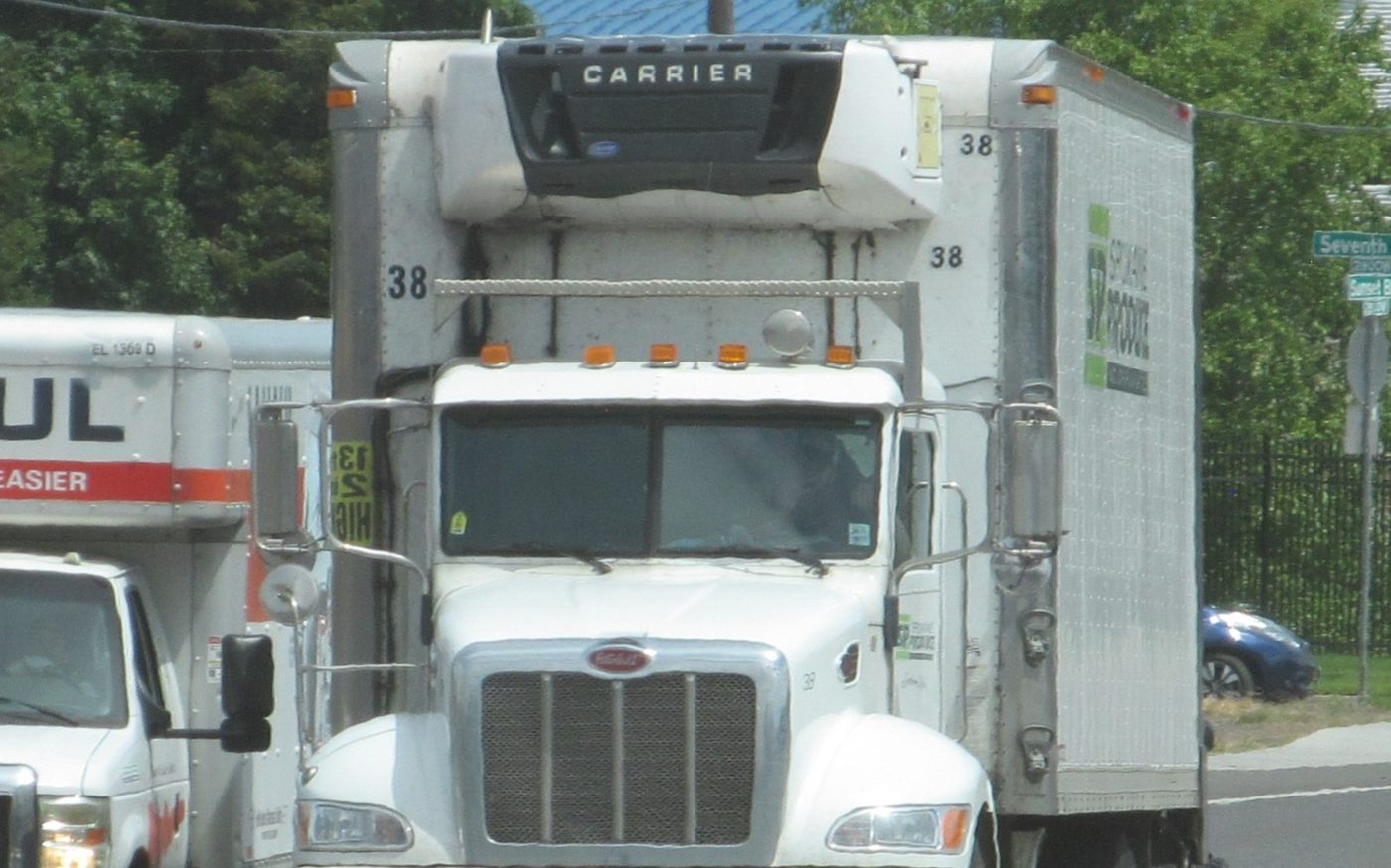
Start with the data your operation already records. The team helps define the period, boundaries and what still needs to be collected.
The estimate starts the conversation. Professional delivery requires a defined scope, checked data and agreed terms.
Define the scope and gather data. Record sources, period, assumptions and missing information.
Identify the main emission sources and develop feasible actions for the operation.
When contracted, select credits and document retirement of the agreed volume.
Organize the report and delivery evidence, including the boundaries and status of each record.
The service is quoted individually. Vehicle count, fuels, period and record quality guide the scope definition.
Organize fuel and energy consumption within the scope. Identify missing data and references applicable to the period.
Assess reduction opportunities and monitoring indicators, considering the operation's circumstances and data availability.
A report with methodology, sources and boundaries. If offsetting is contracted, the corresponding evidence is included in the delivery.
You don't need everything to start the conversation. Missing information will be identified during the assessment.
Make an initial estimateVehicle types, counts and owned or outsourced use.
Litres by fuel type, invoices and refuelling records.
Consumption at the office, garage or charging facility, with measurement boundaries.
Dates, supporting mileage and documents available for verification.
Share the fleet type, period and available data. The proposal will be tailored to that context.